Security, explained straight.
Guides from the PGAK team on intelligent CCTV, camera-based attendance and getting real protection from the cameras you already own — plus deployment stories from real sites.
Case studies
All case studies →What actually changed on real sites — what was being lost, what we did about it, and how many cameras it took.
Warehouse · Ludhiana · 120 cameras
A 120-camera warehouse that could not watch any of them
A distribution warehouse was losing stock every month and reviewing footage only after each loss. Adding AI to the cameras already installed turned the loading bay and restricted aisles into monitored zones, moving the site from post-incident review to real-time alerting.
Read the deployment →Retail · Jaipur · 12 cameras
The retail chain that had muted its own security app
The most common failure mode in retail security isn't a missing camera — it's a muted notification. This store had stopped trusting its alerts entirely. The work was almost entirely about precision.
Read the deployment →Manufacturing · Coimbatore · 40 cameras
The factory gate where fingerprints stopped working
Attendance was the entry point, not security. Once the gate camera was producing a reliable roll, the same deployment extended to the perimeter without adding hardware.
Read the deployment →Housing society · 8 cameras
The society gate register nobody could read
Society security fails at the gate, because the gate is a notebook and a guard who changes every six months. The fix was making the log write itself.
Read the deployment →
Guides & explainers

Pharmacy security: schedule drugs, cash and staff
A medical store has three risks stacked in one small room — controlled-substance theft, till shortages and after-hours break-ins. One camera at the door catches none of them properly.

The five-year cost of a CCTV system, itemised
The quote you get is the smallest number you'll pay for your CCTV system over five years. Cabling, storage growth, AMC, replacement and electricity are the line items nobody puts on the invoice.

Textile units: dust, shifts and worn fingerprints
Fingerprint scanners fail hardest on a textile floor — yarn and fabric wear down the ridges the machine needs to read. What actually holds up in a mill, and where the real security gaps sit.

Showroom shrinkage: the evidence index approach
Retail shop theft CCTV rarely stops anything in the moment. Its real value is turning 'we lost stock somewhere this month' into a searchable index you can actually audit against.

Rice shellers and grain mandis: seasonal labour and stock
For a few weeks each procurement season, a mandi or rice sheller triples its headcount and stacks its yard full of bags worth more than the rest of the year's stock combined. Why the security plan that works in the off-season falls apart exactly when it matters most.
Housing society gates: visitors, vehicles and accountability
The visitor register at most housing society gates is a formality nobody checks until something goes wrong. What a gate actually needs to record, and why the argument over who can watch the footage matters as much as the cameras themselves.

Jewellery retail security: layered, not just more cameras
Most jewellery shops respond to a scare by adding cameras at the door. The bigger gaps are usually at the counter, the strongroom and the street outside — and inside the staff roster, handled fairly.

Cold storage: cameras, doors and the cost of a door left open
In cold storage, a door left open for ten minutes is a bigger loss than most thefts. What camera-based door monitoring actually catches, and where a plain door sensor still does the job better.

Restaurants: attendance without a shared-touch device in the kitchen
A fingerprint scanner outside a kitchen is touched by every hand that later touches food. Why restaurants are moving staff attendance to a camera at the door, and where that still needs a backup plan.
Petrol pump security: the four positions that matter
Most petrol pump CCTV setups have cameras but still miss the theft that happens. Four camera positions that actually cover the risk — forecourt, till, tanker bay, entry — and what cameras alone can't stop.

Hotels: guest safety and staff attendance on one estate
Hotel security usually gets judged on guest floors, but the weak point is housekeeping attendance and back-of-house doors. What good coverage and a workable attendance system actually look like.

Do you need CCTV signage? What the notice should say
A camera without a notice is a compliance gap and a wasted deterrent. What the law actually expects, sample wording, and where the sign should go.
The day after a theft: a practical checklist
Footage overwrites on a schedule, and most people notice a theft after that schedule has already run. What to do in the first hours, in order, before the recording you need is gone.
CCTV in the workplace: what you may and may not record
Workplace CCTV is legal in India, but not everywhere and not without conditions. What you can point a camera at, what's off-limits, and the notice you owe employees before you switch it on.
People counting from cameras you already own
You don't need new hardware to know how many people walked through your gate or store today. What CCTV-based people counting gets right, where it drifts, and what the number is actually useful for.
Does AI work with my Tapo, Imou, Qubo or Prama camera?
We have tested Tapo, Prama and Qubo directly. But the honest answer is that the brand is not really the question — what matters is whether the camera will hand over an RTSP stream.

Is CCTV footage admissible evidence in India?
CCTV footage can be used as evidence in Indian courts, but only if you can prove it wasn't altered. What actually makes footage admissible — timestamps, certificates and chain of custody — explained in plain language.
Loitering detection: what it catches that motion does not
Motion detection fires on anything that moves. Loitering detection adds a dimension motion can't see — how long someone stays. Where that difference earns its place, and where it just adds noise.
Number plate recognition: when it works and when it does not
ANPR reads number plates reliably in a narrower set of conditions than most brochures admit. What actually makes it work, and where it quietly fails.

What CCTV fails in the monsoon, and how to prevent it
Monsoon doesn't kill CCTV systems all at once — it finds the one loose connector, one fogged dome, one unearthed junction box. A practical pre-monsoon checklist that catches the failure before the footage does.
Where the blind spots are: how a site gets cased
Anyone casing a site before a theft isn't looking for your cameras — they're looking for the three metres between them. A practical way to walk your own perimeter and find your blind spots before someone else does.

IP or analogue cameras: the honest comparison for India
Every quote pushes IP cameras as the upgrade. For a lot of Indian sites, a modern analogue system with a good DVR does the job for less money and less cabling headache. Here's when each one actually wins.

"Your cameras are now illegal" — what the 2026 CCTV rule actually says
Network CCTV cameras sold in India must meet security Essential Requirements, and a grace period for older stock was reported to end on 1 April 2026. The rule is about making and selling cameras — not about the ones already on your wall.

CCTV cabling: where installers cut corners
Cameras rarely die in year one. Cabling does — a wrong cable grade, an outdoor joint with no conduit, a PoE budget nobody calculated. What to check before you sign off an installation.
DVR or NVR: which do you actually have, and does it matter
Most site owners can't say whether their recorder is a DVR or an NVR, and it matters the day you want to add AI analytics. A two-minute way to check, and what each answer means for you.

How many days of CCTV footage are you really keeping?
The retention figure quoted at installation almost always shrinks — quietly, as cameras get added and nobody redoes the math. A simple calculation to find your real number today.
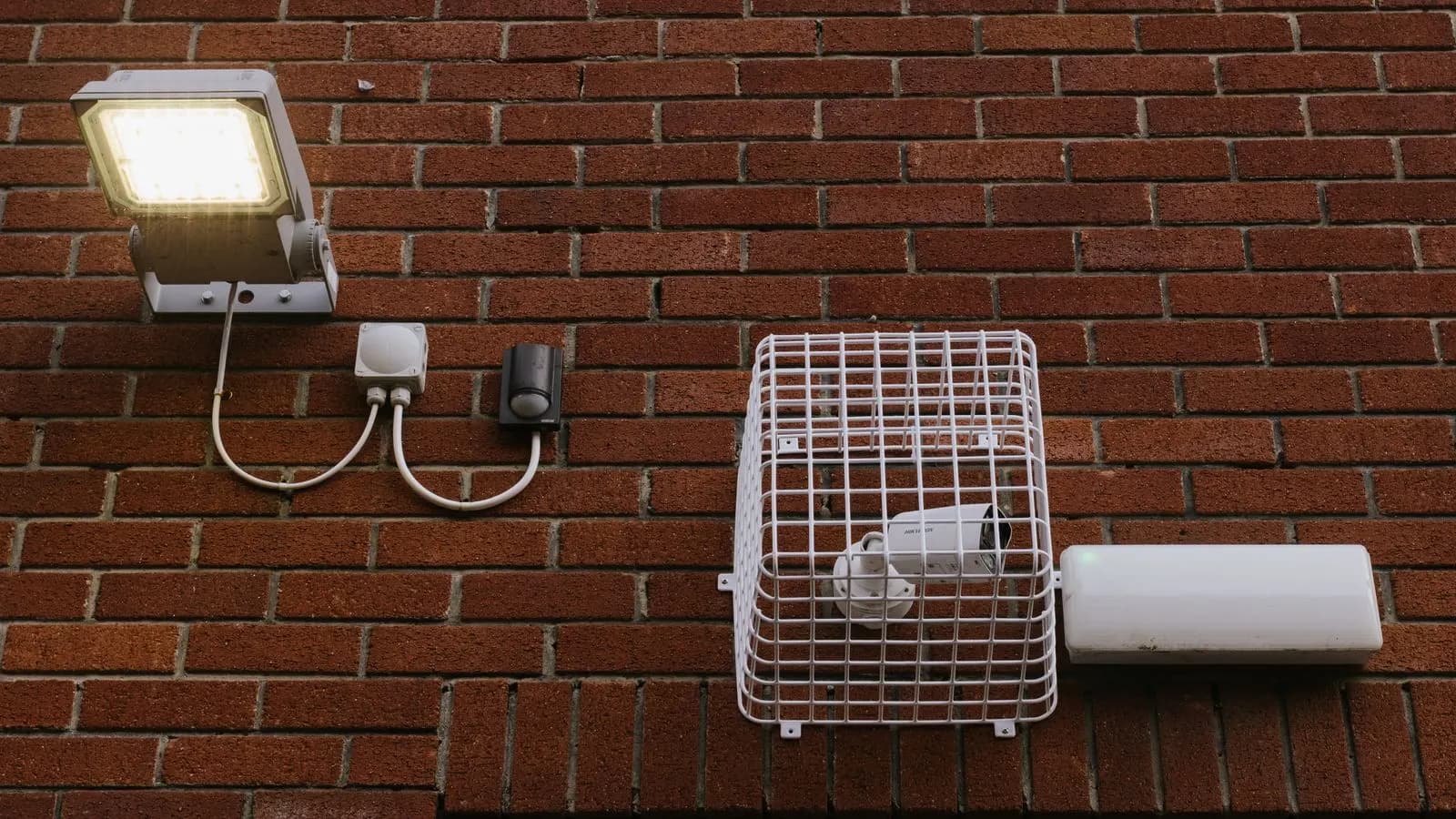
Face recognition at a badly lit gate
A gate camera that works fine all day suddenly stops recognising the same employees after dark. The fix is usually a ₹200 lamp, not a new camera.
Camera resolution vs distance: the pixel math
A 4MP camera sounds sharp on the box, but at 40 metres it can leave a face as a 40-pixel smudge. The megapixel number alone tells you almost nothing without distance.
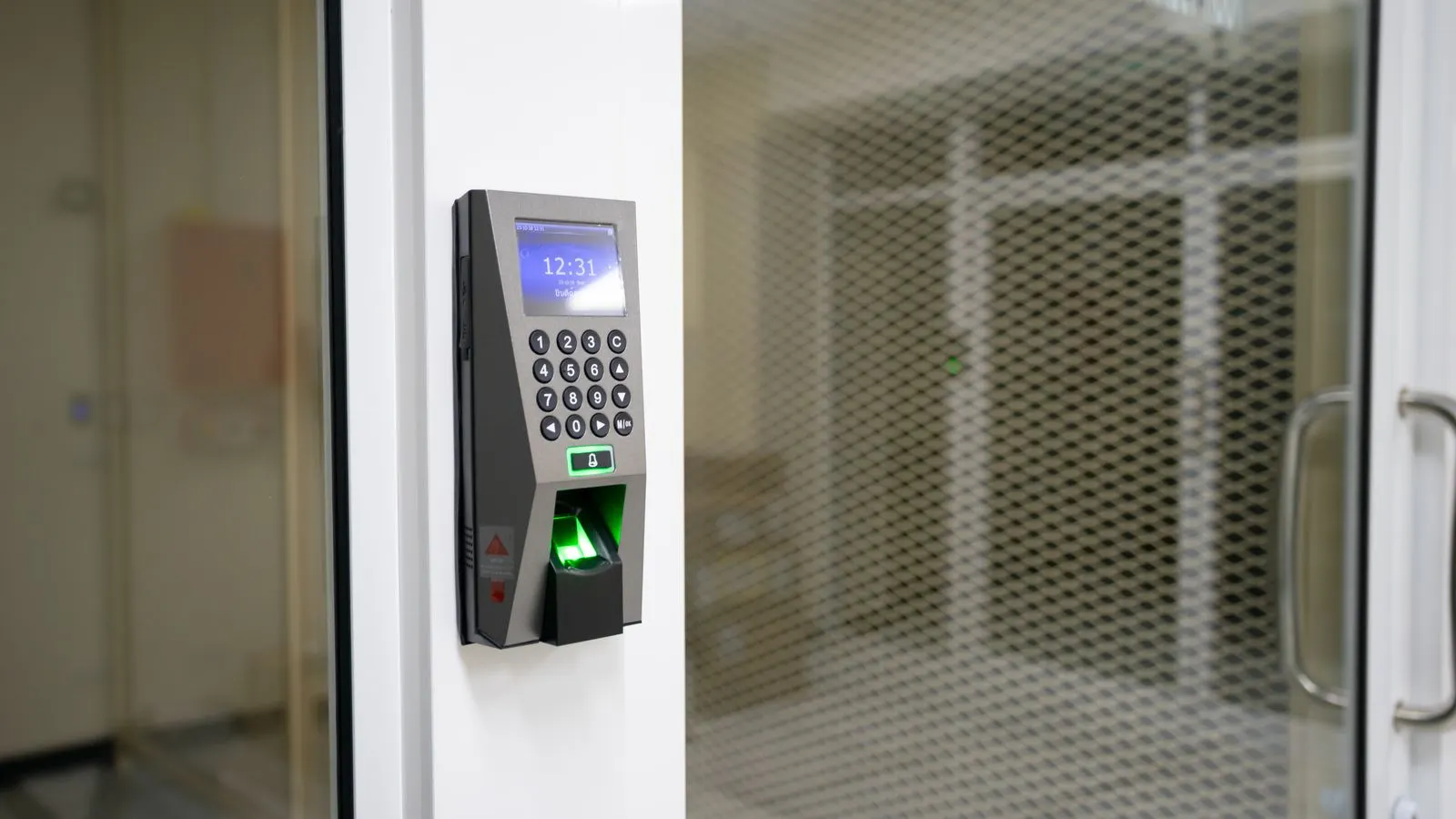
How many photos does face enrolment actually need
One photo is why half your 'face recognition failures' aren't accuracy problems at all. What a proper enrolment set looks like and how to fix a bad one.
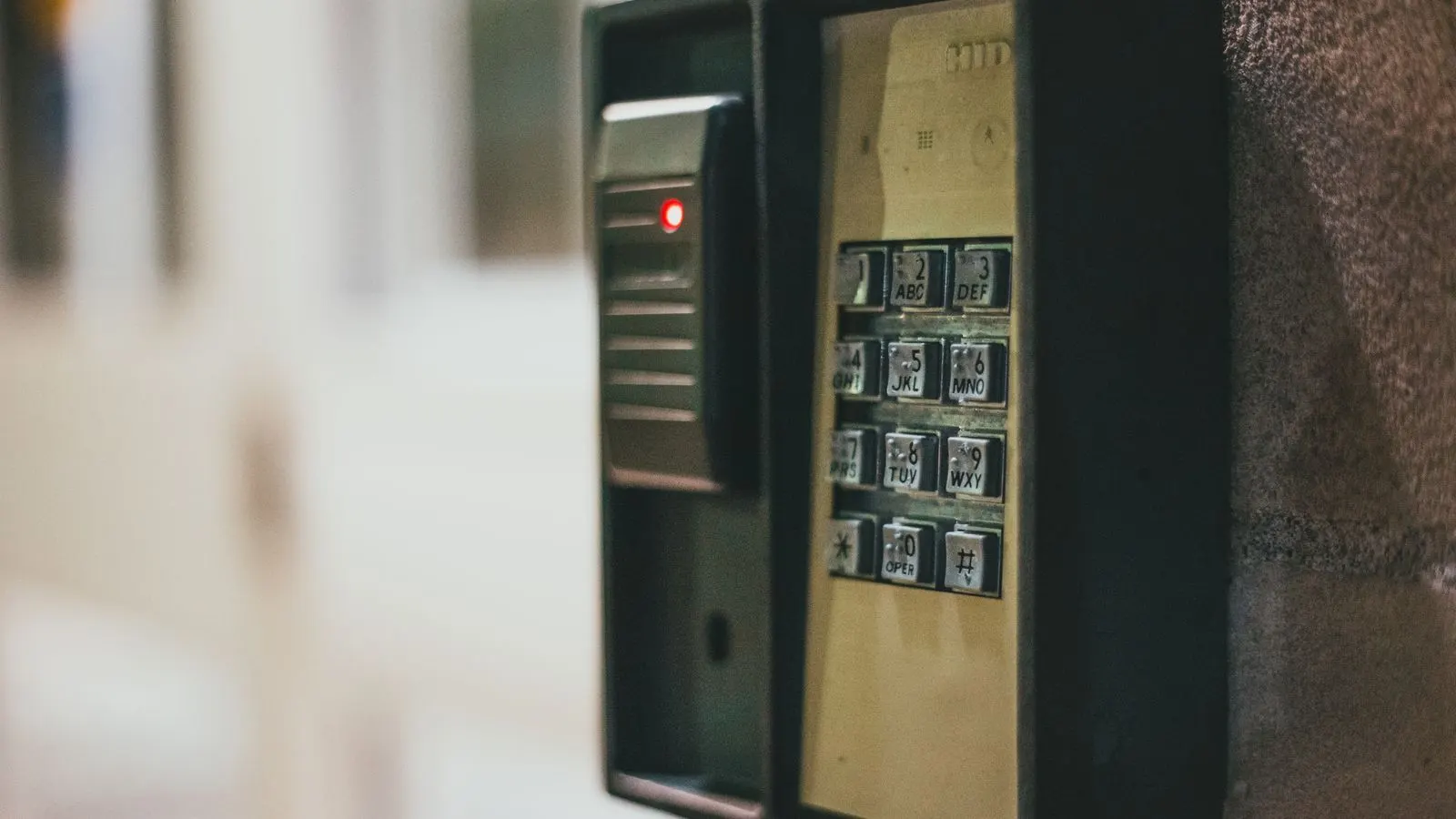
Can someone fool face attendance with a photo?
A printed photo, a phone screen held up to the camera — does it actually work? What liveness detection checks for, and where it still has gaps.
Helmets, turbans and masks: what face recognition can handle
Turbans, hard hats, surgical masks — the honest answer is different for each. Here is what face recognition attendance can actually handle at an Indian factory gate, and where it needs a fallback.
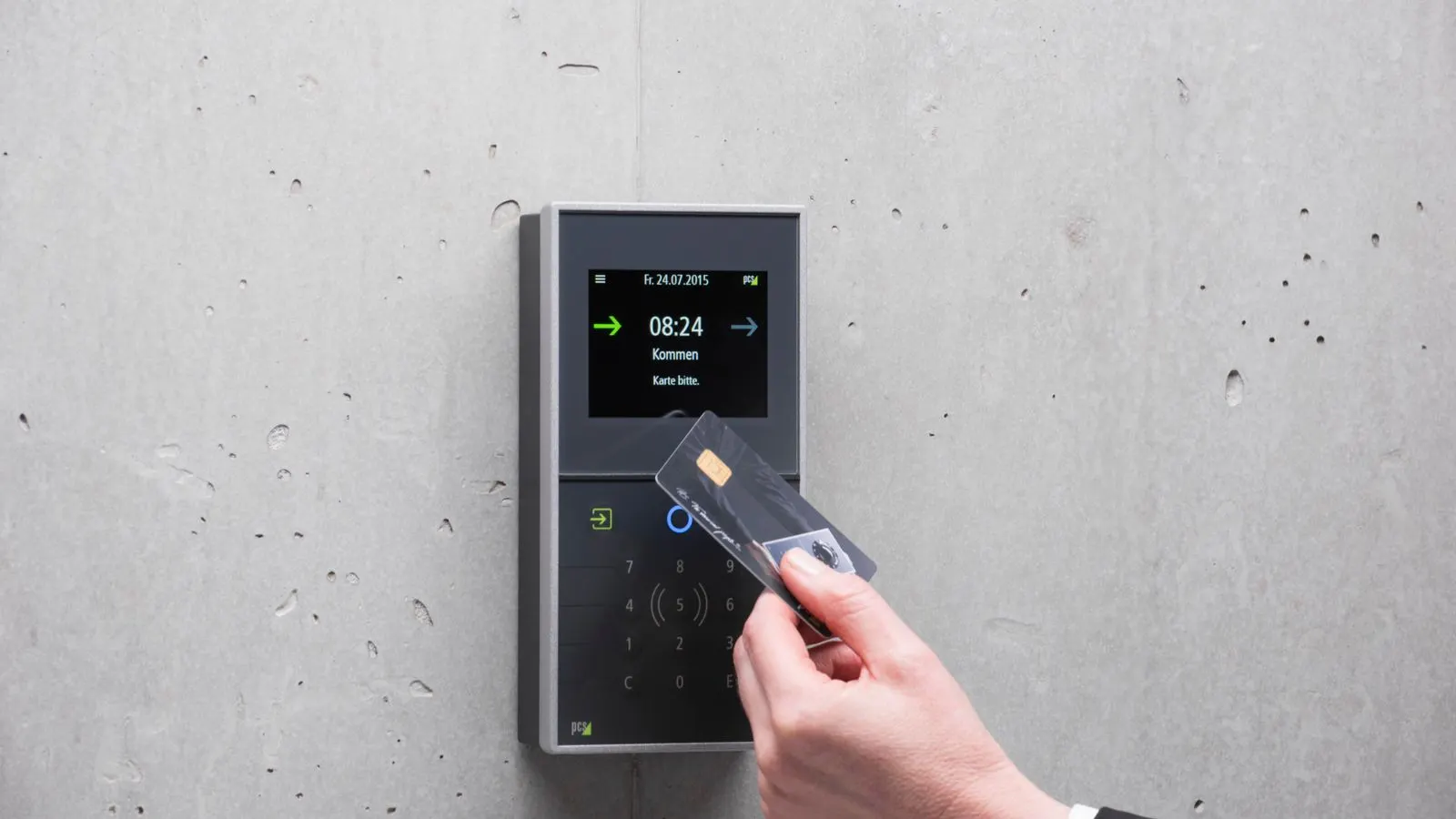
What actually affects face recognition accuracy
A vendor's 99% accuracy number tells you almost nothing about your gate. Pixel count, camera angle, lighting and motion are what actually decide whether a face is recognised.

Designing a late-mark policy people accept
Most late-mark disputes aren't about the minutes — they're about a policy nobody wrote down. A grace period, an escalation ladder and a timestamp everyone trusts fix most of it.
Attendance when your workforce triples for a season
Harvest, festival and procurement peaks don't break attendance systems by running out of storage — they break them by running out of enrolment time. Plan for the bottleneck that actually shows up.
Getting a new joiner onto attendance in five minutes
Every day a new joiner isn't enrolled is a day of manual entries, disputes and HR chasing paperwork. Employee onboarding attendance shouldn't take longer than the induction talk.
Attendance for a 24x7 three-shift operation
A 3 shift attendance system doesn't fail on the day shift. It fails at midnight, at handover, and the moment nobody records an exit. Here's what actually breaks and how to fix it.

The five causes of every overtime dispute
Almost every overtime argument in payroll traces back to one of five causes — rounding, shift-end confusion, weekly-off rates, missed punch-outs, or unapproved hours. A fix for each.

Switching attendance systems without losing history
Old attendance data rarely moves cleanly to a new system. What actually transfers, what export format to insist on, how long to run both systems in parallel, and the one week of the month to never cut over on.

When an employee refuses biometric attendance
An employee can refuse fingerprint or face-based attendance under the DPDP Act, and forcing it is the wrong fight. What a lawful fallback looks like, and why it rarely comes to that.

Attendance data: what to keep, what to delete, when
Attendance retention isn't one number. The statutory register has a legal minimum keep period; the biometric template behind it doesn't, and should usually be deleted on exit. A practical schedule.
Field staff attendance: geofencing without micromanaging
Geofencing can prove a service engineer reached the client site, or it can turn into tracking someone's lunch break. The difference is what you measure and what you tell them.
Fingerprint attendance systems: where they work, where they fail
Fingerprint attendance is cheap and everywhere — and on factory gates it quietly falls apart. The three failure modes vendors don't lead with, who they actually bite, and what to use instead.
Biometric attendance machine price in India: the full math
Machines are listed from ₹3,000 and quoted per door — but the sticker is less than half the real cost. The full five-year math on fingerprint and face machines, and the case where you need no machine at all.

Leave, holidays and attendance: keeping one calendar
An employee takes approved leave, and the attendance report still shows an unpaid absence. The fix isn't stricter approvals — it's one calendar instead of two.
Twelve questions to ask before buying any attendance system
A vendor-neutral checklist. Print it, ask every supplier the same twelve questions, and compare the answers rather than the brochures — including ours.
What is video analytics software, and do you need it?
Video analytics software turns cameras that record into cameras that report. Here is what the term actually covers, which claims to distrust, and the honest test for whether your site needs it.

Rotating shifts and attendance: getting the rules right
Rotating shifts break most attendance systems quietly — a night shift crossing midnight lands two dates, and the whole month drifts. The five rules that have to be encoded before any of it works.

Reuse your existing CCTV or replace it? A decision guide
Every vendor with cameras to sell will tell you your estate is obsolete. The four tests that decide honestly — and why age is almost never the deciding factor.
Replacing the paper attendance register: a practical path
Most Indian sites still run a register alongside whatever machine they bought. Here is why the paper survives, and the four-week sequence that actually retires it.

Night shift attendance: proving who was actually there
Night shift is where attendance systems are least supervised and most gamed. Four controls that give you a defensible record of the shift nobody watches.

Managing attendance across multiple locations
Three sites usually means three attendance systems, three exports and a spreadsheet that merges them badly. What a genuinely multi-site setup has to do differently.
How to stop proxy attendance (buddy punching) for good
Proxy attendance survives fingerprint machines, cards and registers because all three record a credential, not a person. The four controls that actually work, ranked by how hard they are to defeat.
How to choose a CCTV installation company in India
Most CCTV installation quotes are priced per camera and say nothing about whether the system will actually work. Seven questions that separate an installer who will still answer the phone in month six from one who won't.
How many cameras does a warehouse actually need?
Camera count is the wrong first question. Work backwards from the eight positions that matter in a warehouse and the number answers itself — usually lower than the quote you were given.
Your camera has been offline for weeks. Would you know?
On nearly every estate we audit, at least one camera is already dark — and nobody knew. Why offline cameras go unnoticed for months, and the three checks that catch them.
CCTV AMC in India: what it should actually include
Most CCTV annual maintenance contracts are priced as a percentage of hardware and defined as 'we will come when you call'. The seven clauses that separate a real AMC from an invoice.
Connecting biometric attendance to payroll without retyping
Most attendance errors are not scanning errors — they are introduced between the machine and the payslip, by a person with a spreadsheet. What a real payroll integration has to handle.
Attendance for contract labour: the compliance gap nobody plans for
Contract workers rotate faster than any enrolment process, yet the principal employer often carries obligations for them. Where the record breaks, and how to close it without a week of admin.

Attendance records under Indian law: what you must keep
Indian labour law requires employers to maintain attendance and wage registers — and the DPDP Act now governs the biometric data many employers use to produce them. A plain-language guide to both obligations.
AI CCTV or another security guard? An honest comparison
The comparison every site owner runs, done properly — what a guard genuinely does better, what software genuinely does better, and why the answer is usually not 'replace the guard'.
Why your CCTV alerts got muted, and how to earn them back
Every site that muted its alerts did so for a good reason. The four causes of alert fatigue, and the tuning sequence that makes notifications worth reading again.
Aadhaar based attendance and AEBAS, explained plainly
AEBAS is the government's Aadhaar-linked attendance system, and it is compulsory for some employers and unavailable to others. Here is who it actually applies to, and what private employers can use instead.
Can you add AI to CCTV cameras you already own?
Usually yes — if your DVR exposes a video stream, software can read it. The camera doesn't need to be 'AI-ready'. What actually decides it is where each camera points and how many pixels land on the thing you care about.

Is AI CCTV legal in India? Consent and the DPDP Act
CCTV in a workplace is lawful in India. Face recognition on employees is where it gets specific — and where most vendor answers are wrong in both directions. A practical read of what the DPDP Act asks of you.
Does AI CCTV work without internet?
If the detection runs on a device at your site, it keeps working when the link drops — what stops is delivery of the alert to your phone. The distinction matters more in India than most vendors admit.
AI CCTV vs normal CCTV: what actually changes
Ordinary CCTV answers 'what happened?' after you already know something happened. The only real change AI makes is that somebody gets told at the time. Everything else — cameras, cabling, the DVR — usually stays.
They cover the camera first. Would you know?
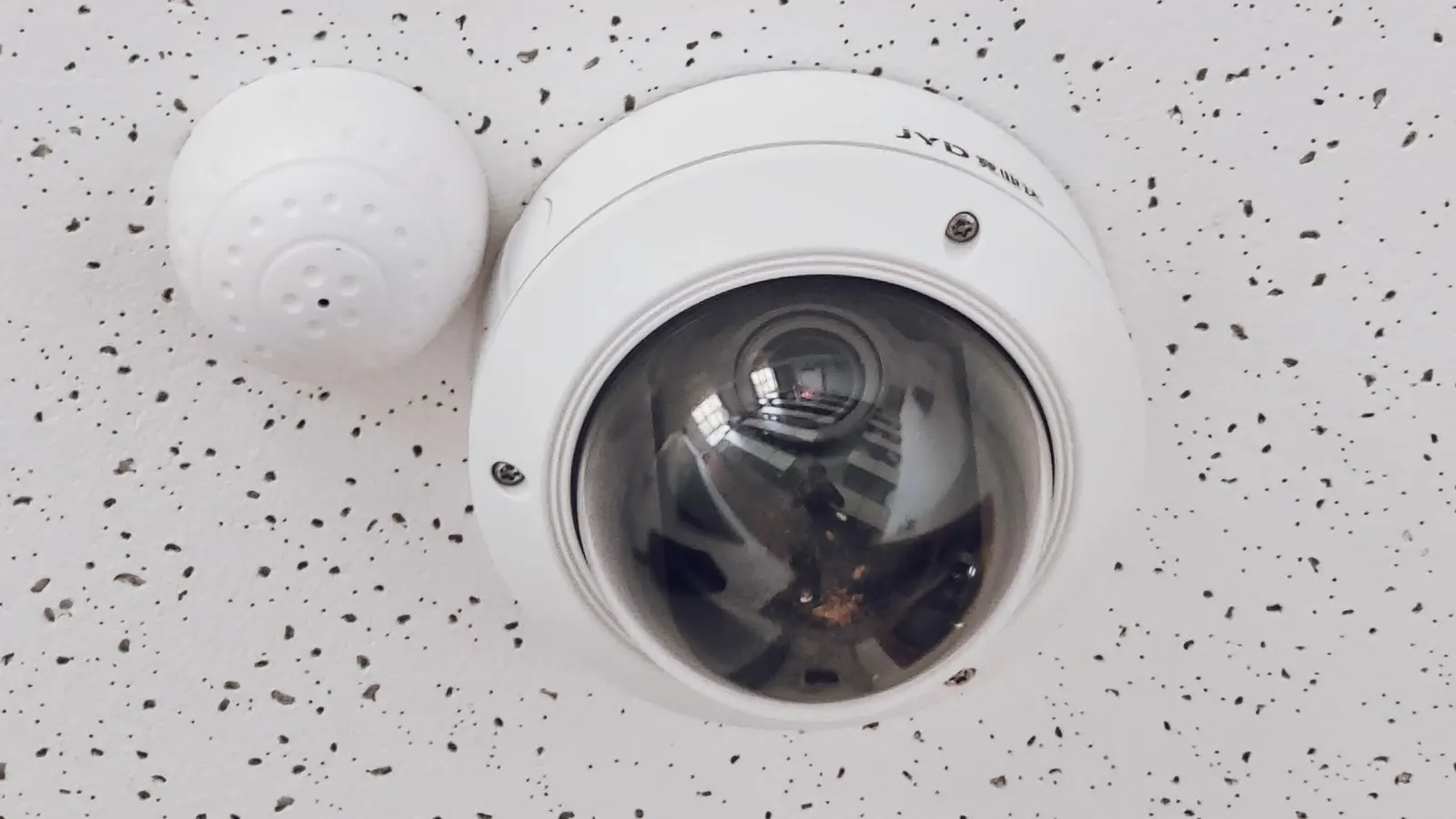
The most common thing that happens to a camera during a break-in is that it stops working. There is no footage of that — the only useful signal is that the feed went dead, and whether anyone was told.
How many CCTV cameras does a factory need?
Not a number per square foot. Count the ways in, the places value concentrates, and the events you want to be told about — the camera count falls out of that list, and it is usually smaller than the quote you were given.

What should AI CCTV actually cost in India?
Quotes for AI CCTV in India range from ₹500 to ₹8,000 per camera per month, and the difference usually isn't quality. A breakdown of what you're paying for and which line items to challenge.
How does AI intruder detection actually work?
Not magic, and not the same as motion detection. A plain explanation of what happens between a person crossing your boundary and your phone buzzing three seconds later.
How to choose an AI CCTV camera for a warehouse in India
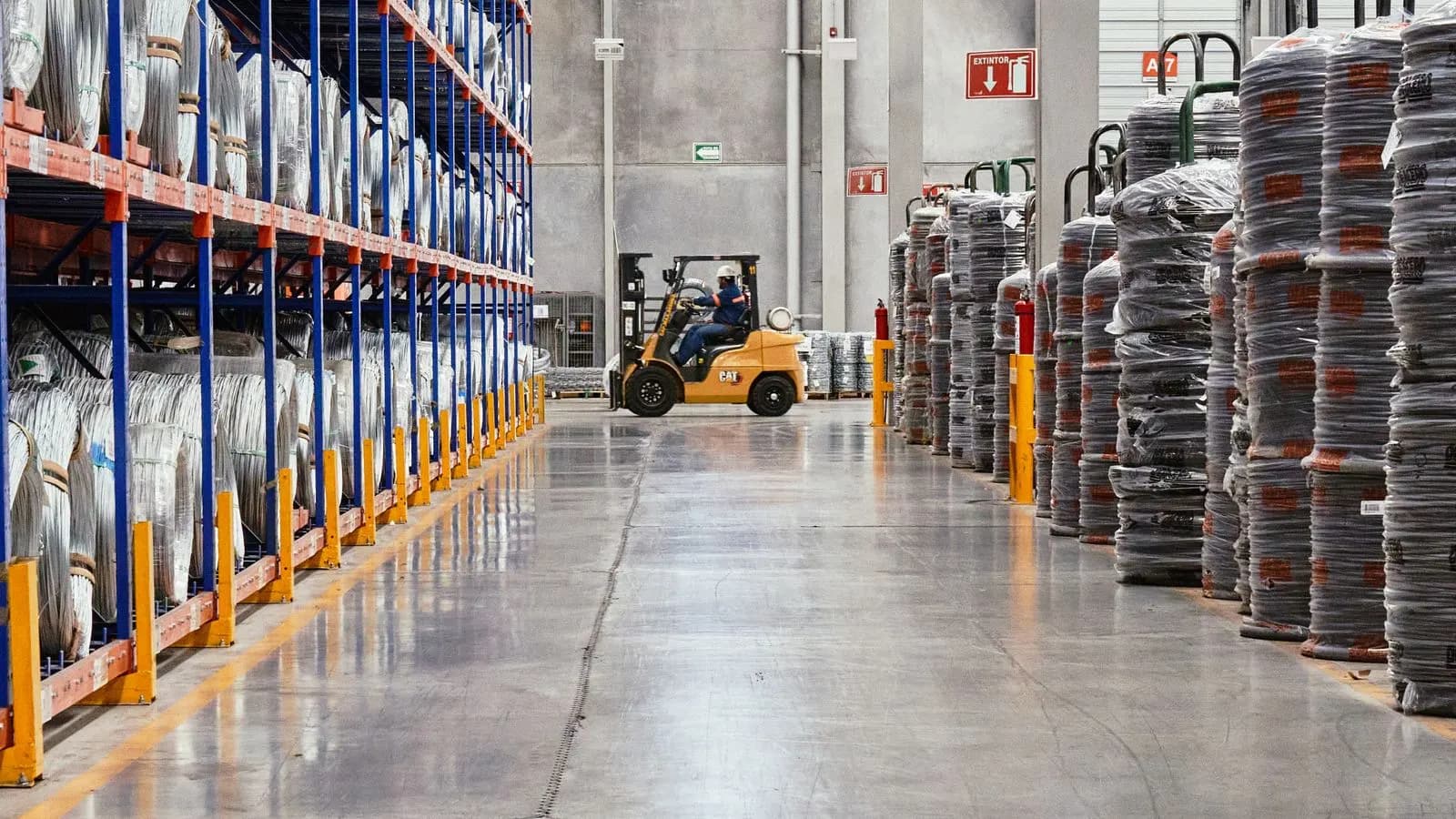
Most warehouse camera advice is about resolution. It should be about coverage, angles and what happens after the footage is recorded. Here's what actually matters when you're buying AI CCTV for a warehouse.
Face recognition attendance vs biometric machines
Fingerprint readers fail exactly where factories need them most. But face-based attendance has its own limits, and you should know both before switching.

Stop threats before they happen.
Traditional CCTV saves the footage after the damage is done. Proactive, AI-driven security detects, alerts and acts while there's still time to change the outcome.
You have 120 cameras. Nobody can watch them all.
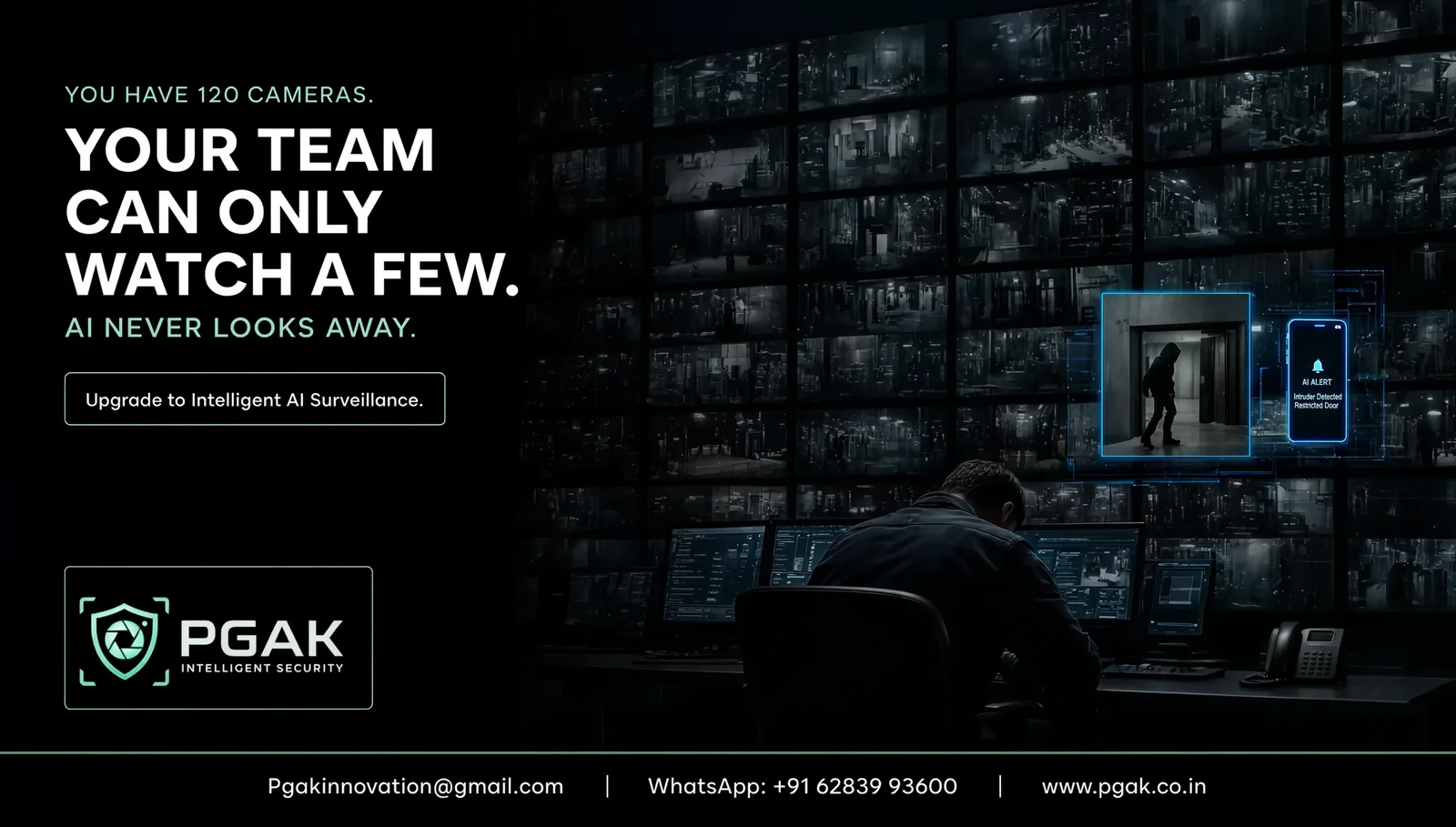
A wall of screens looks impressive — but one or two people can only truly watch a handful at a time. Here's why human monitoring quietly fails, and what 'AI never looks away' actually means.

1,000 alerts. Only one is real.
When almost every notification is a false alarm, people stop trusting them — and the one that actually matters gets swiped away with the rest. Here's how AI cuts the noise so real threats stand out.

Is AI CCTV worth it for a small shop?
Sometimes no. Here's the arithmetic we run with shop owners before selling them anything, including the cases where we tell them to wait.
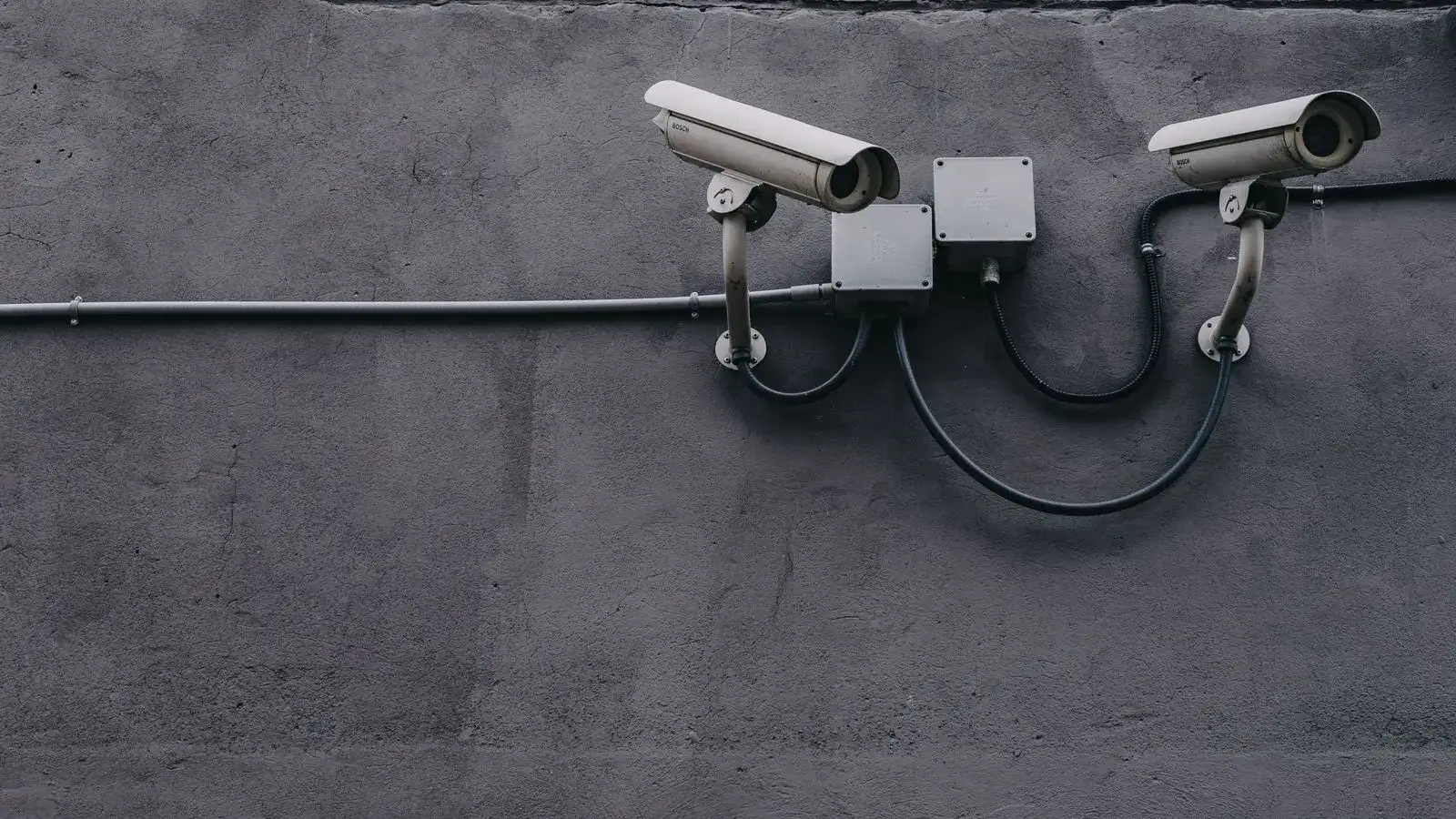
Where to place CCTV cameras so AI detection actually works
The most common reason AI detection underperforms isn't the software — it's a camera mounted four metres up in a corner, seeing everything and identifying nothing.

How many of your 16 cameras can actually recognize a face?
Probably fewer than you think — and it has nothing to do with megapixels. The three things that decide whether a camera can identify a person, and the one cheap fix.

Why biometric attendance machines fail at the factory gate
Queues at shift change, dusty fingers that won't scan, and a register that still needs manual correction. There's a reason factories are moving attendance to their CCTV.
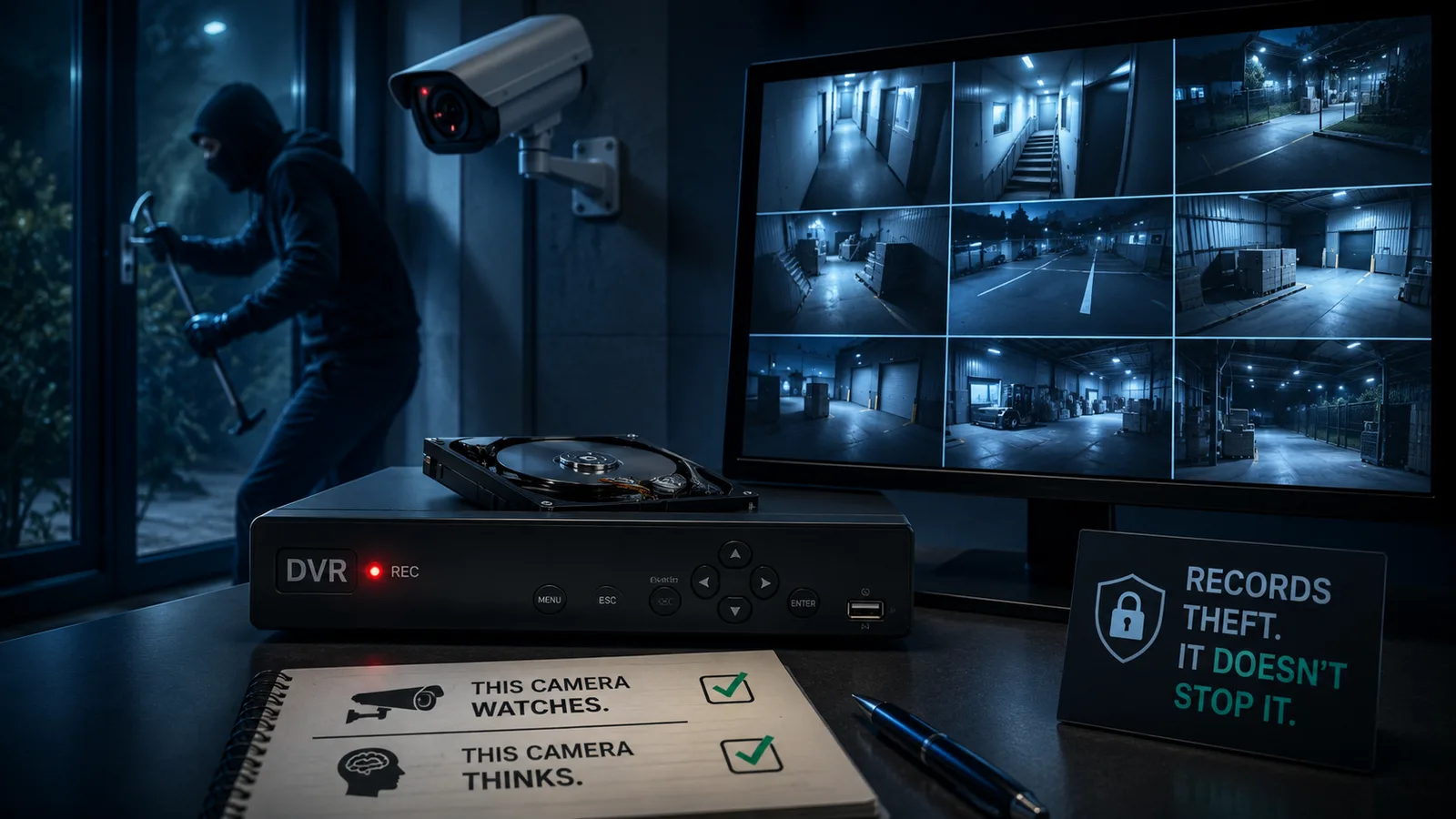
Your DVR records the theft. It doesn't stop it.
Most CCTV systems in India are evidence machines, not protection. Here's the difference between a camera that watches and a camera that thinks.